
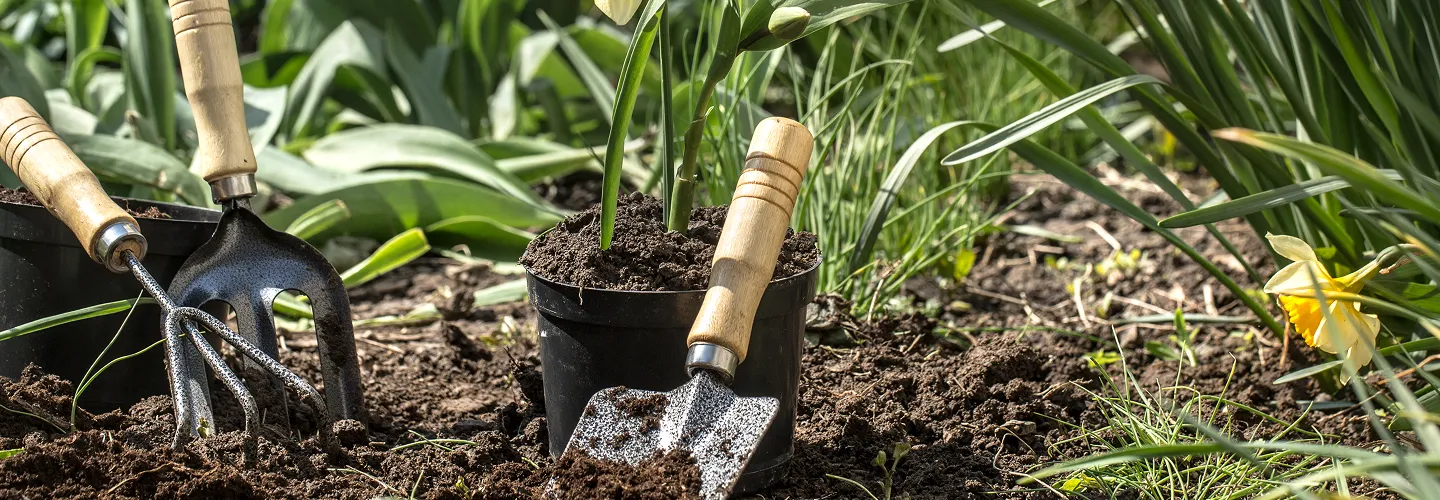
Desert View Village Flower Bed Maintenance Services
Choose our Flower Bed Maintenance for expert care, vibrant blooms, and a hassle-free experience—let us handle the details so you can enjoy a beautiful, thriving garden without the work.
Get a Free QuoteOur Desert View Village Landscaping & Yard Care Services
When to Schedule Flower Bed Maintenance in Desert View Village, Arizona – Seasonal Guide
In Desert View Village, Arizona, the timing of flower bed maintenance is crucial due to the area’s unique desert climate and landscape. The optimal periods for maintenance are typically in early spring and late fall, when temperatures are milder and plants are either emerging from dormancy or preparing for it. Local neighborhoods such as Tatum Ranch and the communities near Desert View Park experience significant temperature swings, so scheduling tasks like mulching, pruning, and soil amendment around these transitional seasons helps ensure healthy, vibrant flower beds.
Environmental factors such as the risk of late spring frosts, prolonged summer droughts, and the sandy, alkaline soils common in this region all play a role in determining the best maintenance schedule. Shade coverage from mature mesquite and palo verde trees, as well as municipal watering restrictions, can also impact when and how often you should tend to your flower beds. For more information on local guidelines and resources, visit the official municipal site.
Local Factors to Consider for Flower Bed Maintenance in Desert View Village
- Tree density and shade from native species
- Soil type (sandy, alkaline, or clay-heavy areas)
- Annual precipitation and drought risk
- Frost dates and temperature fluctuations
- Terrain and drainage patterns
- Municipal watering schedules and restrictions
- Proximity to landmarks like Desert View Park or local HOA guidelines
Benefits of Flower Bed Maintenance in Desert View Village
Enhanced Curb Appeal
Weed and Pest Prevention
Healthier Plant Growth
Seasonal Color Variety
Professional Landscape Expertise
Increased Property Value
Desert View Village Flower Bed Maintenance Types

Seasonal Flower Planting
-
Weed Control Services
-
Soil Amendment and Fertilization
-
Mulching and Ground Cover
-
Pruning and Deadheading
-
Irrigation System Maintenance
-
Pest and Disease Management
Our Flower Bed Maintenance Process
Site Evaluation
Weed Removal
Soil Preparation
Plant Care
Mulching
Why Choose Desert View Village Landscape Services
Desert View Village Homeowners Trust Us
-
Reliable Lawn Maintenance
-
Expert Irrigation Solutions
-
Comprehensive Weed Control
-
Competitive Pricing
-
Professional Team
-
Satisfaction Guarantee
-
Personalized Service
Coordinating Flower Bed Maintenance with Desert View Village's Municipal Programs and Services
Desert View Village is a census-designated place within the Phoenix metropolitan area in Maricopa County, and residents rely on county and City of Phoenix services for landscape-related coordination. Flower bed maintenance generates organic debris—spent annuals, pulled weeds, trimmed perennials, and displaced mulch—that must be handled according to local green waste disposal procedures. Property managers should verify current bulk pickup schedules and accepted materials through the appropriate public works channels before placing bed-maintenance debris curbside. Keeping organic waste out of street gutters, curb inlets, and nearby drainage channels is essential for protecting stormwater infrastructure. The Arizona Department of Water Resources also provides landscaping guidance that supports water-efficient flower bed design and maintenance practices throughout the low desert.
- Separate green waste from inorganic mulch, landscape fabric, and plastic drip-line components before disposal
- Confirm whether your waste hauler accepts bundled plant material or requires containerized pickup
- Avoid sweeping soil, mulch, or organic debris into street drainage infrastructure
Phoenix Public Works Department
Official Website: Phoenix Public Works Department
How Desert View Village's Low-Desert Heat and Soil Conditions Affect Flower Beds
Desert View Village sits in the low Sonoran Desert within USDA Hardiness Zone 10a, where summer temperatures routinely exceed 110°F and annual rainfall averages under eight inches. These conditions impose specific demands on flower bed maintenance that differ substantially from temperate climates. Soils in the area tend toward alkaline sandy loam, often underlain by caliche hardpan that restricts root penetration and drainage. Imported topsoil and amended planting beds are common in residential subdivisions, but these amended zones can develop salt accumulation from repeated irrigation with mineral-rich municipal water.
- Alkaline pH: Soil pH commonly ranges from 7.5 to 8.5, which can limit iron and micronutrient availability and cause chlorosis in non-adapted flower species
- Caliche layers: Hardpan beneath beds may trap water and create root-zone saturation if drainage is not addressed during bed preparation
- Reflected heat: Block walls, concrete walkways, and decomposed granite surfaces radiate stored heat onto adjacent flower beds, intensifying plant stress
- Monsoon exposure: Intense summer storms between July and September can wash out mulch, erode bed edges, and deposit sediment across planting areas
Information from the USDA Plant Hardiness Zone Map and the USDA Web Soil Survey can help residents and property managers confirm site-specific growing conditions before selecting plants or amending beds.
Navigating Desert View Village's Regulatory Requirements for Flower Bed Maintenance
Flower bed maintenance in the Desert View Village area must comply with several regulatory layers addressing stormwater quality, pesticide use, and property upkeep. Under Arizona's Phase II MS4 stormwater program, sediment, fertilizer, and chemical runoff from landscape maintenance activities must not enter storm drains, washes, or retention basins. This applies to both residential and commercial properties. Any herbicide or pesticide application within flower beds must be performed by individuals holding valid credentials through the Arizona Department of Agriculture's licensing program, as required under Arizona Revised Statutes Title 3.
- Pre-emergent herbicides applied near drainage channels or washes require careful placement to prevent chemical migration during monsoon runoff
- Fertilizer applications should follow label rates and be watered in promptly to reduce surface movement
- Property owners adjacent to flood-control channels or retention basins should verify setback and maintenance expectations with the local engineering authority
Phoenix Office of Environmental Programs
Official Website: Phoenix Office of Environmental Programs
Noxious weed species identified by the Arizona Department of Agriculture should be removed promptly from flower beds to prevent spread into adjacent properties and natural areas.
Timing and Professional Standards for Flower Bed Maintenance in Desert View Village
Effective flower bed maintenance in the low desert follows a seasonal rhythm dictated by extreme heat, brief planting windows, and monsoon disruption. Cool-season annuals such as petunias, snapdragons, and pansies are typically planted between October and early November and maintained through March. Warm-season selections like vinca, lantana, and desert marigold are installed after the last frost risk has passed, generally by mid-March, and require consistent irrigation monitoring through summer.
- Deadheading and cleanup: Remove spent blooms and damaged foliage regularly to redirect plant energy and reduce pest harborage; frequency increases during active bloom periods in spring and fall
- Mulch preservation: Organic mulch in flower beds should be maintained at approximately three to four inches of depth to moderate soil temperature and reduce evaporation; replenish after monsoon washout events
- Irrigation emitter checks: Drip emitters serving flower beds should be inspected monthly for clogging from mineral deposits and repositioned as plants grow or are replaced seasonally
- Weed suppression: Hand-pull weeds before they set seed, particularly after monsoon rains trigger rapid germination of summer annuals like spurge and puncturevine
- Soil amendment: Incorporate sulfur or iron chelate as needed to counteract high pH and improve micronutrient uptake in amended bed soils
Phoenix Water Services Department
Official Website: Phoenix Water Services Department
Residents should verify current watering restrictions and drought-stage guidelines through their water provider, as irrigation schedules may vary by season and conservation tier.
What Neighborhoods Do We Serve Throughout Desert View Village, AZ?
- Desert View Village Core: Established residential lots with mature desert landscaping and older drip irrigation systems that often require emitter replacement and bed renovation to maintain flower bed health
- Thunderbird Farms Area: Larger rural parcels where flower beds are typically concentrated near home entries and require wind protection and supplemental irrigation due to open exposure
- Happy Valley Corridor: Newer subdivision development with compact lots, block-wall enclosures that intensify reflected heat on adjacent flower beds, and HOA-maintained common-area plantings
- Jomax Road Vicinity: Properties near major arterials where dust accumulation on flower bed foliage is a recurring maintenance concern, requiring periodic rinsing and leaf cleaning
- Dove Valley Ranch: Planned community settings with coordinated landscape palettes where flower bed maintenance must align with community design standards and shared irrigation infrastructure