
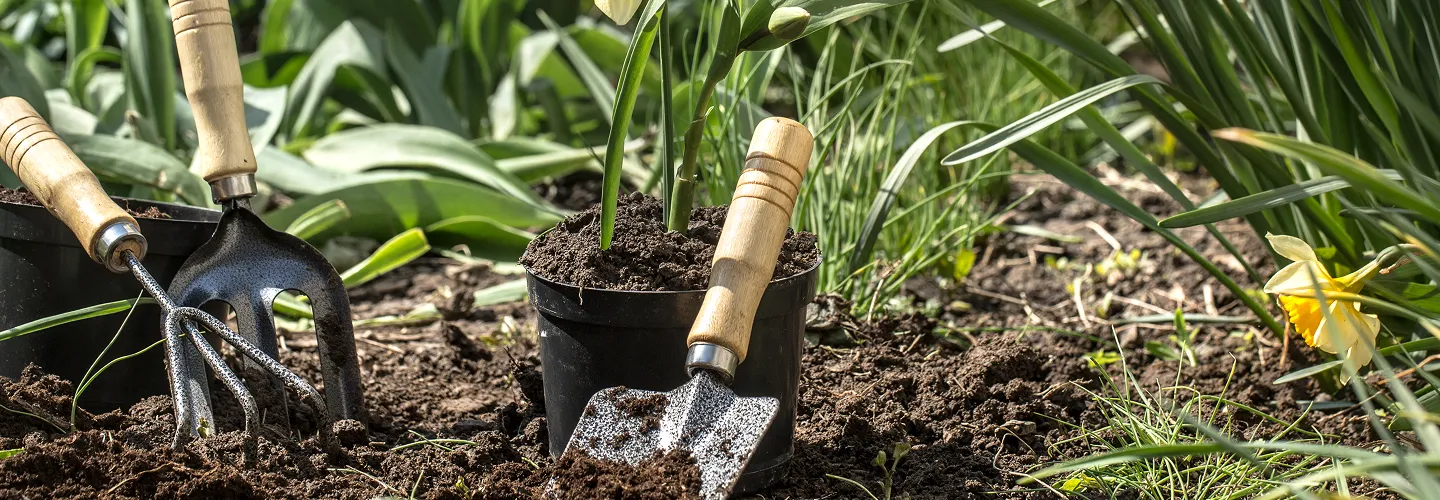
Desert View Village Lawn Leveling Services
Choose our Lawn Leveling service for a smoother, healthier yard—our expert team uses advanced techniques to eliminate bumps and uneven spots, ensuring your lawn looks beautiful and is easier to maintain.
Get a Free QuoteOur Desert View Village Landscaping & Yard Care Services
When to Schedule Lawn Leveling in Desert View Village, Arizona – Seasonal Guide
In Desert View Village, Arizona, the best time to schedule lawn leveling is typically during the late spring or early fall. These seasons offer moderate temperatures and reduced risk of extreme weather, which helps new grass and soil settle evenly. The unique climate of Desert View Village—characterized by hot, dry summers and mild winters—means that timing is crucial to avoid periods of intense heat or unexpected frost. Neighborhoods near Desert Foothills Parkway and the scenic Cave Buttes Recreation Area often experience microclimates, so it’s important to consider your specific location when planning lawn care.
Local environmental factors such as sandy soils, low humidity, and sporadic rainfall can impact the success of lawn leveling. Areas with dense shade from mature mesquite or palo verde trees, like those found in the Tatum Ranch community, may require different timing compared to open, sun-exposed lawns. Additionally, municipal guidelines and water use restrictions—outlined on the official city website—should be reviewed before scheduling any major landscaping work.
Local Factors to Consider for Lawn Leveling in Desert View Village
- Tree density and shade coverage (e.g., mature trees in Tatum Ranch)
- Soil composition (sandy vs. clay-heavy areas)
- Seasonal precipitation patterns and drought risk
- Frost dates and temperature fluctuations
- Terrain slope and drainage characteristics
- Municipal water use restrictions and landscaping ordinances
- Proximity to landmarks like Cave Buttes Recreation Area
Benefits of Lawn Leveling in Desert View Village

Enhanced Curb Appeal
Improved Lawn Health
Efficient Water Drainage
Safer Outdoor Spaces
Easier Lawn Maintenance
Increased Property Value

Desert View Village Lawn Leveling Types

Topdressing Lawn Leveling
-
Sand Leveling
-
Soil Leveling
-
Laser Grading
-
Sod Replacement Leveling
-
Power Raking Leveling
-
Manual Lawn Leveling
Our Lawn Leveling Process
Site Evaluation
Soil Preparation
Leveling Application
Compaction
Final Inspection
Why Choose Desert View Village Landscape Services
Desert View Village Homeowners Trust Us
-
Reliable Lawn Maintenance
-
Expert Irrigation Solutions
-
Comprehensive Weed Control
-
Competitive Pricing
-
Professional Team
-
Satisfaction Guarantee
-
Personalized Service
Coordinating Lawn Leveling Projects with Desert View Village's Municipal Engineering Services
Desert View Village is a census-designated place within the Phoenix metropolitan area, and residents seeking lawn leveling services should coordinate with Maricopa County and City of Phoenix departments that administer grading, drainage, and development standards in the surrounding jurisdiction. Lawn leveling that alters surface drainage patterns—particularly on properties adjacent to washes, retention basins, or storm-drain inlets—may require review by engineering staff to confirm that runoff is not redirected onto neighboring parcels or into protected drainage corridors. Property owners should verify whether their lot falls within a floodplain or drainage easement before beginning grade corrections.
- Confirm lot drainage direction and any existing easements through the city engineering office before regrading turf areas
- Coordinate with public works if leveling work generates soil or debris that could enter curb inlets or street gutters
- Properties near retention basins or flood-control channels should verify setback and grading restrictions
Phoenix City Engineer
200 W. Washington St., Phoenix, AZ 85003
Official Website: Phoenix City Engineer
Phoenix Planning & Development Department
200 W. Washington St., Phoenix, AZ 85003
Official Website: Phoenix Planning & Development Department
How Desert View Village's Low-Desert Soils and Heat Affect Lawn Leveling
Desert View Village sits in the low Sonoran Desert within USDA Hardiness Zone 9b–10a, where extreme summer temperatures regularly exceed 110°F and annual rainfall averages under eight inches, arriving primarily during the July-through-September monsoon season. These conditions create specific challenges for lawn leveling that differ substantially from temperate-climate projects. Soils in the area tend toward alkaline sandy loam, often underlain by caliche—a calcium carbonate hardpan that resists water infiltration and can create perched water tables when grade corrections are shallow. According to the USDA Web Soil Survey, many residential lots in the greater Phoenix metro contain compacted subdivision fill imported during development, which settles unevenly over time and produces the low spots and scalping ridges that lawn leveling addresses.
- Caliche layers may need to be fractured or removed to allow proper drainage beneath leveled turf
- Alkaline soils with pH values commonly above 7.8 can limit nutrient availability in topdressing blends
- Compacted fill in newer subdivisions often settles within the first several years, creating recurring depressions
- Reflected heat from block walls and concrete hardscape accelerates moisture loss in freshly leveled areas
Navigating Stormwater Compliance and Grading Regulations for Desert View Village Lawn Leveling
Lawn leveling projects in Desert View Village must comply with stormwater management requirements enforced under the Arizona DEQ Phase II MS4 program and the federal Clean Water Act. Any grading activity that exposes bare soil or redirects surface water flow has the potential to generate sediment-laden runoff, particularly during monsoon storms. Contractors and property owners should implement erosion controls—such as silt barriers or temporary stabilization—whenever leveling work leaves soil exposed for more than a few days. The Arizona DEQ stormwater program provides guidance on best management practices for controlling sediment discharge from residential and commercial sites.
- Exposed soil from leveling must be stabilized promptly to prevent sediment from reaching storm drains or washes
- Excess fill material should not be stockpiled near curb inlets, drainage channels, or retention basins
- Topdressing sand or soil amendments should be applied in controlled quantities to avoid washout during irrigation or rain events
- Verify with the Phoenix Office of Environmental Programs whether additional environmental review applies to properties adjacent to designated washes or natural open space
Phoenix Water Services Department
200 W. Washington St., Phoenix, AZ 85003
Official Website: Phoenix Water Services Department
Timing and Methods for Professional Lawn Leveling in Desert View Village's Climate
The optimal window for lawn leveling in Desert View Village aligns with the active growth period of bermudagrass, the dominant warm-season turf in the low desert. Leveling should be performed between late April and early July, when soil temperatures consistently exceed 80°F and bermudagrass is growing vigorously enough to recover through the topdressing layer. Attempting leveling during winter dormancy or during the overseeded ryegrass period risks smothering turf that lacks the metabolic capacity to push through added material. The University of Arizona Cooperative Extension and the Turfgrass Maintenance Guide for Low Elevation Arizona provide detailed guidance on bermudagrass recovery and maintenance timing.
- Topdressing material should closely match the existing soil texture—typically a clean, washed sand or sand-compost blend—to avoid creating layering that impedes water infiltration
- Apply topdressing in lifts no deeper than approximately one-half inch per application to avoid smothering actively growing turf
- Mow bermudagrass slightly lower than normal before leveling to improve sand-to-soil contact and reduce air pockets
- Drag or level-rake the topdressing material to fill depressions evenly, then irrigate lightly to settle the material without creating runoff
- Avoid scheduling leveling work immediately before anticipated monsoon storms, as heavy rainfall can wash topdressing into drainage infrastructure
- Scalping prevention requires addressing high spots as well as low areas to produce a uniform mowing surface
What Neighborhoods Do We Serve Throughout Desert View Village, AZ?
- Desert View Village Core — Established residential lots in this area frequently exhibit settlement-related grade irregularities from original subdivision fill, making periodic lawn leveling a practical maintenance need for bermudagrass turf.
- Deer Valley Area — Properties near Deer Valley often feature larger lot sizes with extensive turf areas where uneven irrigation distribution and soil compaction contribute to surface depressions requiring correction.
- Happy Valley Corridor — Homes along the Happy Valley corridor may sit adjacent to flood-control channels and retention basins, requiring careful attention to drainage direction during any leveling work.
- Tramonto — This master-planned community includes newer construction where compacted fill settlement is common within the first decade, and HOA landscape standards may govern turf appearance and maintenance.
- Sonoran Foothills — Sloped lots near the Sonoran Desert preserve boundary present unique leveling challenges due to grade transitions, rocky subsoils, and proximity to natural drainage washes.
- Norterra — Properties in this planned community often feature bermudagrass lawns bordered by decorative rock and hardscape, where reflected heat intensifies turf stress and makes precise leveling important for uniform irrigation coverage.