
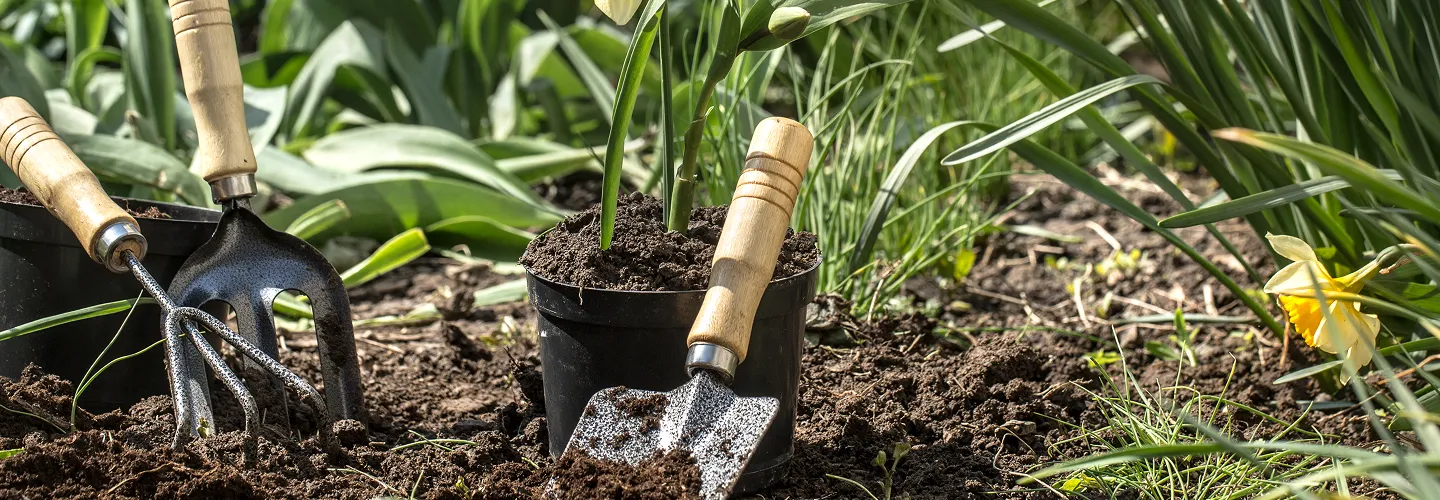
Desert View Village Flower Planting Services
Choose our Flower Planting services for vibrant, expertly arranged blooms that thrive in our unique climate—bringing lasting color, curb appeal, and joy to your outdoor spaces.
Get a Free QuoteOur Desert View Village Landscaping & Yard Care Services
When to Schedule Flower Planting in Desert View Village, Arizona – Seasonal Guide
Flower planting in Desert View Village, Arizona, requires careful timing to ensure vibrant, long-lasting blooms. The region’s unique Sonoran Desert climate means that the best planting windows are typically in early spring (late February to early April) and again in the fall (late September to early November). These periods offer milder temperatures and more predictable rainfall, which help new plantings establish strong root systems before the intense summer heat or occasional winter frosts arrive. Neighborhoods like Tatum Ranch and the areas surrounding Desert View Marketplace benefit from microclimates created by mature shade trees and varied terrain, which can slightly extend or shorten these optimal planting windows.
Local environmental factors play a significant role in determining the best time for flower planting. For example, the sandy, well-draining soils common in Desert View Village neighborhoods such as Fireside at Desert Ridge require more frequent watering, especially during dry spells. Additionally, municipal guidelines and water use restrictions—often updated on the official town website—should be checked before scheduling large-scale planting projects. Understanding the interplay between shade coverage, humidity, and the risk of late frosts is essential for successful flower beds that thrive throughout the season.
Local Factors to Consider for Flower Planting in Desert View Village
- Proximity to mature trees and resulting shade coverage
- Soil type (sandy, rocky, or clay-heavy areas)
- Neighborhood-specific microclimates (e.g., near Desert View Marketplace)
- Annual precipitation patterns and drought risk
- Municipal water use restrictions and planting guidelines
- Terrain and drainage characteristics
- Historical frost dates and temperature fluctuations
Benefits of Flower Planting in Desert View Village
Expert Desert Landscaping Knowledge
Drought-Resistant Plant Selection
Customized Garden Designs
Sustainable Water Management
Year-Round Colorful Blooms
Enhanced Curb Appeal
Desert View Village Flower Planting Types

Annual Flower Beds
-
Perennial Gardens
-
Drought-Tolerant Plantings
-
Native Wildflower Mixes
-
Seasonal Color Displays
-
Pollinator-Friendly Gardens
-
Container Flower Arrangements
Our Flower Planting Process
Site Evaluation
Soil Preparation
Plant Selection
Careful Planting
Watering and Mulching
Why Choose Desert View Village Landscape Services
Desert View Village Homeowners Trust Us
-
Reliable Lawn Maintenance
-
Expert Irrigation Solutions
-
Comprehensive Weed Control
-
Competitive Pricing
-
Professional Team
-
Satisfaction Guarantee
-
Personalized Service
Coordinating Flower Planting Projects with Desert View Village Municipal Programs
Desert View Village is a census-designated place within the Phoenix metropolitan area in Maricopa County, and residents undertaking flower planting projects should coordinate with relevant City of Phoenix departments that administer land use, landscaping, and environmental standards in the area. The Phoenix Parks & Recreation Department oversees public landscape standards and can provide guidance on planting expectations for parkway strips, medians, and community-facing frontages. Property managers planning flower installations near rights-of-way or drainage corridors should verify setback and grading requirements through the appropriate development review process. The Phoenix Office of Environmental Programs offers conservation resources that inform plant selection and water-efficient landscape design, which is particularly relevant when establishing new flower beds in desert communities.
- Confirm whether flower planting near public rights-of-way requires coordination with city development services
- Review water conservation program guidelines before selecting irrigation methods for new plantings
- Verify green waste disposal procedures for removed plant material through the city's public works channels
Phoenix Parks & Recreation Department
Official Website: Phoenix Parks & Recreation Department
Phoenix Office of Environmental Programs
Official Website: Phoenix Office of Environmental Programs
How Desert View Village's Low-Desert Heat and Alkaline Soils Affect Flower Planting
Desert View Village sits in the low Sonoran Desert within USDA Hardiness Zone 9b to 10a, where summer temperatures routinely exceed 110°F and winter lows rarely drop below the mid-30s. These conditions sharply limit the palette of flowers that can survive without intensive intervention. Soils throughout the area tend to be highly alkaline, often with a pH above 8.0, and may include caliche layers or compacted subdivision fill that restrict root penetration and drainage. The USDA Plant Hardiness Zone Map is an essential reference for confirming zone-appropriate species before purchasing plant stock.
- Alkaline soils can cause iron chlorosis in acid-loving flowers; soil amendments such as sulfur or chelated iron may be necessary
- Caliche layers impede drainage and root growth, requiring mechanical breaking or raised bed construction in severe cases
- Reflected heat from block walls, concrete driveways, and decomposed granite mulch intensifies thermal stress on flower beds positioned along south- and west-facing exposures
- Monsoon runoff from July through September can wash out newly planted beds, erode amended soil, and deposit sediment into adjacent drainage channels
- Irrigation dependence is year-round; even drought-adapted flowers require supplemental drip irrigation during establishment
Navigating Desert View Village's Regulatory Framework for Flower Planting Compliance
Flower planting in Desert View Village must align with several regulatory layers that govern water use, stormwater management, and landscape standards. The Arizona Department of Water Resources administers landscaping conservation guidelines applicable to properties within the Phoenix Active Management Area, which includes Desert View Village. Residents and property managers should verify current watering restrictions, as drought stages may limit irrigation schedules for new plantings. Any flower planting project that involves grading, soil import, or modification of drainage patterns near washes or retention basins may trigger review through the city's engineering or development services process.
- Stormwater compliance under Arizona DEQ's MS4 program requires that soil, mulch, and organic debris from planting projects not enter storm drains, curb inlets, or flood-control channels
- Pesticide or herbicide application in flower beds must be performed by individuals holding valid credentials through the Arizona Department of Agriculture's licensing program
- Introduction of plant species listed on the Arizona Department of Agriculture noxious weed list is prohibited
- Properties adjacent to washes or flood-control easements should confirm planting setbacks with the city engineering office before installation
Phoenix Planning & Development Department
Official Website: Phoenix Planning & Development Department
Timing Flower Planting Around Desert View Village's Monsoon Season and Frost Windows
Professional flower planting in the low desert follows two primary installation windows. The fall window, from mid-October through November, allows cool-season annuals such as petunias, snapdragons, pansies, and stock to establish root systems before the mild winter growing period. The spring window, from late February through mid-March, targets warm-season and desert-adapted perennials such as desert marigold, angelita daisy, blackfoot daisy, and lantana before summer heat intensifies. Planting during peak summer months is generally avoided due to extreme soil surface temperatures that can exceed 150°F and rapid moisture loss from amended beds.
- Prepare planting beds by loosening soil to a depth of roughly 8–12 inches and incorporating organic compost to improve moisture retention in sandy or rocky native soils
- Install drip irrigation emitters at each plant location before planting to ensure immediate post-installation watering capability
- Apply 2–3 inches of organic or rock mulch around plantings to moderate soil temperature and reduce evaporation, keeping mulch away from plant crowns
- Schedule initial watering cycles more frequently during establishment, then taper to deeper, less frequent irrigation as roots develop
- Monitor newly planted beds closely during monsoon storms for washout, sediment displacement, and emitter damage
What Neighborhoods Do We Serve Throughout Desert View Village, AZ?
- Desert View Estates — Properties in this area often feature larger lots with established desert landscaping, where flower planting projects benefit from existing shade canopy and mature irrigation infrastructure
- Sunrise Terrace — Residential parcels here may include compacted subdivision fill soils that require amendment and improved drainage before flower bed installation
- Cactus Gardens — Homes near open desert edges experience higher wind exposure and reflected heat, making species selection and emitter placement critical for flower survival
- Vista del Sol — This area's proximity to drainage corridors requires careful attention to runoff management and stormwater compliance during any planting or soil modification work
- Saguaro Ridge — Sloped lots in this neighborhood demand erosion-conscious bed preparation and terracing to prevent monsoon washout of newly planted flowers