
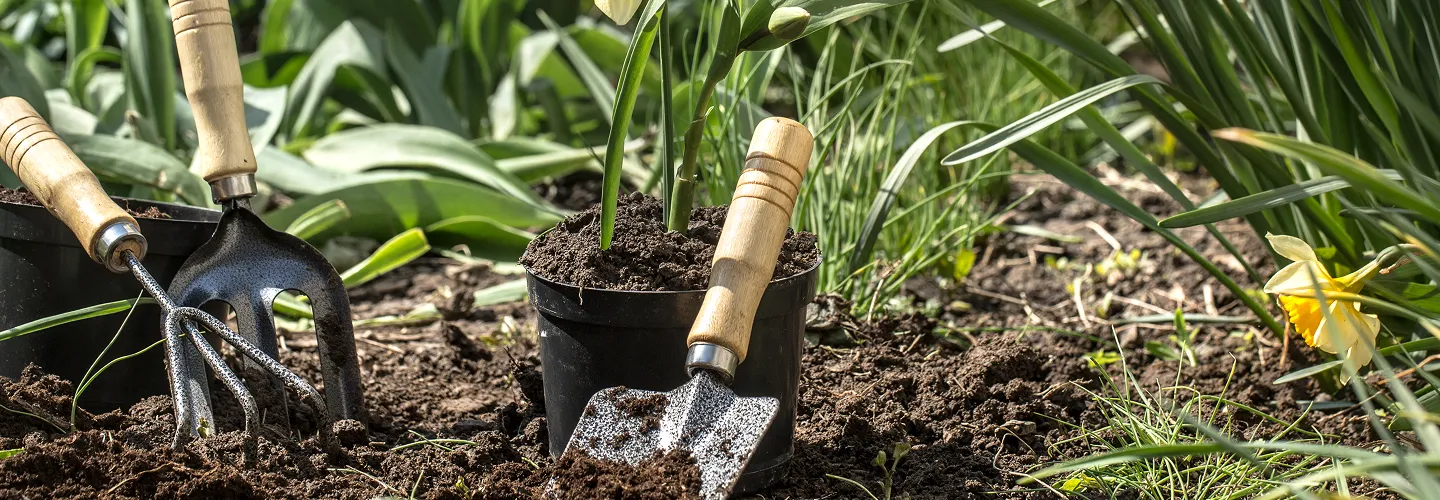
Desert View Village Plant Removal Services
Choose our Plant Removal service for safe, thorough, and environmentally responsible removal of unwanted plants—ensuring your landscape stays beautiful, healthy, and hassle-free.
Get a Free QuoteOur Desert View Village Landscaping & Yard Care Services
When to Schedule Plant Removal in Desert View Village, Arizona – Seasonal Guide
In Desert View Village, Arizona, timing your plant removal is crucial for both the health of your landscape and compliance with local guidelines. The best periods for plant removal typically fall between late winter and early spring, just after the last frost but before the intense summer heat sets in. This window allows for easier root extraction and minimizes stress on surrounding vegetation. Neighborhoods near Desert Foothills Parkway and the scenic Cave Buttes Recreation Area often experience microclimates, so it’s important to consider your specific location within Desert View Village.
Local environmental factors such as low annual precipitation, high summer temperatures, and variable soil types—from sandy washes to compacted clay—play a significant role in determining the optimal removal schedule. Areas with dense shade, like those bordering the Sonoran Preserve, may require different timing compared to sun-exposed lots. Additionally, municipal restrictions and seasonal advisories, which can be found on the official town website, should always be reviewed before scheduling any major landscape work.
Local Factors to Consider for Plant Removal in Desert View Village
- Proximity to frost dates (typically late January to early February)
- Risk of drought and water restrictions
- Humidity levels and their effect on soil moisture
- Shade coverage from mature trees or nearby structures
- Soil type and drainage characteristics
- Tree and shrub density in your yard
- Terrain slope and accessibility
- Local municipal regulations and permit requirements
Benefits of Plant Removal in Desert View Village
Expert Landscaping Services
Efficient Plant Removal
Eco-Friendly Disposal Methods
Improved Curb Appeal
Customized Solutions
Licensed and Insured Team
Desert View Village Plant Removal Types

Tree Removal
-
Shrub Removal
-
Cactus Removal
-
Palm Tree Removal
-
Stump Grinding
-
Invasive Species Removal
-
Groundcover Removal
Our Plant Removal Process
Site Evaluation
Preparation and Safety Measures
Plant Extraction
Debris Removal
Site Restoration
Why Choose Desert View Village Landscape Services
Desert View Village Homeowners Trust Us
-
Reliable Lawn Maintenance
-
Expert Irrigation Solutions
-
Comprehensive Weed Control
-
Competitive Pricing
-
Professional Team
-
Satisfaction Guarantee
-
Personalized Service
Coordinating Plant Removal Disposal and Site Cleanup in Desert View Village
Desert View Village is a census-designated place within the Phoenix metropolitan area, and residents coordinating plant removal projects should work through City of Phoenix municipal departments for disposal routing, right-of-way clearance, and site stabilization guidance. The Phoenix Public Works Department oversees green waste collection, bulk pickup scheduling, and debris management rules that apply to residential and commercial plant removal. Property owners removing large shrubs, ornamental plantings, or invasive vegetation should confirm current bulk disposal procedures, including accepted material types and container or bundling requirements, before placing debris curbside. For projects generating substantial root masses or soil-bound organic material, hauling to an approved transfer station may be required rather than relying on curbside collection.
- Verify bulk pickup eligibility and scheduling through Public Works before placing plant debris at the curb
- Separate soil, rock, and root material from green organic waste for proper disposal routing
- Confirm whether commercial-scale plant removal requires private hauling to a licensed facility
Phoenix Public Works Department
200 W. Washington St., Phoenix, AZ 85003
Official Website: Phoenix Public Works Department
For projects adjacent to washes, drainage corridors, or retention basins, the Phoenix Office of Environmental Programs can provide guidance on environmental compliance and site stabilization expectations following plant removal.
Phoenix Office of Environmental Programs
200 W. Washington St., Phoenix, AZ 85003
Official Website: Phoenix Office of Environmental Programs
How Desert View Village's Low-Desert Soils and Heat Shape Plant Removal
Desert View Village sits in the low Sonoran Desert within USDA Hardiness Zone 9b–10a, where extreme summer temperatures, highly alkaline soils, and subsurface caliche layers directly affect how plant removal is planned and executed. Roots of established desert-adapted species such as mesquite, palo verde, and oleander can extend well beyond the visible canopy, penetrating through decomposed granite and exploiting fractures in caliche hardpan. These conditions create several site-specific challenges:
- Caliche obstruction: Hardpan layers at varying depths can trap root masses and require mechanical breaking during extraction, increasing disturbance to surrounding grade and irrigation lines
- Alkaline sandy loam: Soils in the area commonly register pH levels above 7.5, which affects revegetation planning after removal and may require amendment if replacement plantings are intended
- Monsoon runoff exposure: Bare ground left after plant removal is highly vulnerable to erosion during July through September monsoon storms, particularly on sloped lots or near wash edges
- Reflected heat: Proximity to block walls, concrete, and asphalt amplifies surface temperatures, accelerating desiccation of exposed soil and complicating post-removal stabilization
The USDA Web Soil Survey provides parcel-level soil data that can help property owners and contractors anticipate subsurface conditions before beginning removal work.
Navigating Desert View Village's Regulatory Requirements for Plant Removal Projects
Plant removal in the Desert View Village area falls under City of Phoenix zoning and development standards, as well as state-level environmental and stormwater regulations. Property owners should be aware of several regulatory layers that may apply depending on project scope and location:
- Removal of vegetation within a designated floodplain, wash setback, or drainage easement may trigger review through the Phoenix Planning & Development Department to ensure compliance with grading and drainage standards
- Projects that disturb one acre or more of land surface require coverage under Arizona's stormwater general permit program, administered through Arizona DEQ's stormwater program, consistent with Clean Water Act requirements
- If herbicide application is used to treat invasive or noxious species prior to or following mechanical removal, applicators must hold valid credentials through the Arizona Department of Agriculture's licensing program
- The Arizona Department of Agriculture's noxious weed list identifies species whose removal and disposal may carry specific handling obligations to prevent spread
Residents should verify current zoning overlay requirements and any site-specific conditions with the city's permitting office before initiating large-scale removal, particularly on parcels adjacent to natural open space or flood-control infrastructure.
Timing and Methods for Professional Plant Removal in Desert View Village's Climate
Professional plant removal in the low desert requires careful timing to minimize site damage and ensure effective stabilization. The optimal removal window for most non-emergency projects falls between late October and early April, when reduced heat stress allows safer working conditions and gives exposed soil time to be stabilized before monsoon season. Key method and timing considerations include:
- Root-zone excavation: Contractors typically excavate root balls to a depth sufficient to prevent regrowth, which in desert soils may require trenching through caliche or compacted fill; mechanical equipment such as stump grinders or mini-excavators is commonly used for established woody species
- Site stabilization: Exposed soil should be covered with decomposed granite, gravel, or erosion-control fabric promptly after removal to prevent wind erosion and monsoon washout; leaving bare soil through summer creates sediment runoff risk toward storm drains and washes
- Irrigation system protection: Drip lines, emitters, and buried supply pipes frequently run through root zones of established plantings; a thorough irrigation audit before and after removal prevents costly damage and water waste
- Debris segregation: Organic plant material, soil, and rock should be separated on-site to comply with disposal facility requirements and to facilitate composting of eligible green waste
The Arizona Department of Water Resources landscaping guidance provides additional context on water-efficient site restoration following plant removal.
What Neighborhoods Do We Serve Throughout Desert View Village, AZ?
- Desert View Estates: Larger residential lots with mature desert landscaping often require removal of overgrown oleander hedges and aging citrus trees, with attention to caliche-heavy subsurface conditions and drip irrigation preservation
- Thunderbird Palms: Established subdivisions in this area feature dense ornamental plantings near block walls where reflected heat accelerates plant decline, making periodic removal and replacement a common maintenance need
- Moon Valley adjacent areas: Properties bordering Moon Valley's drainage corridors require careful coordination with wash setback rules when removing vegetation near flood-control infrastructure
- Sweetwater neighborhood: Older irrigated lots in this area frequently accumulate overgrown shrubs and ground cover that obstruct walkways and sight lines, requiring systematic removal and site grading
- Paradise Valley Village planning area: Parcels within this broader planning district may be subject to specific landscape and zoning overlay standards that affect the scope and permitting of plant removal projects