
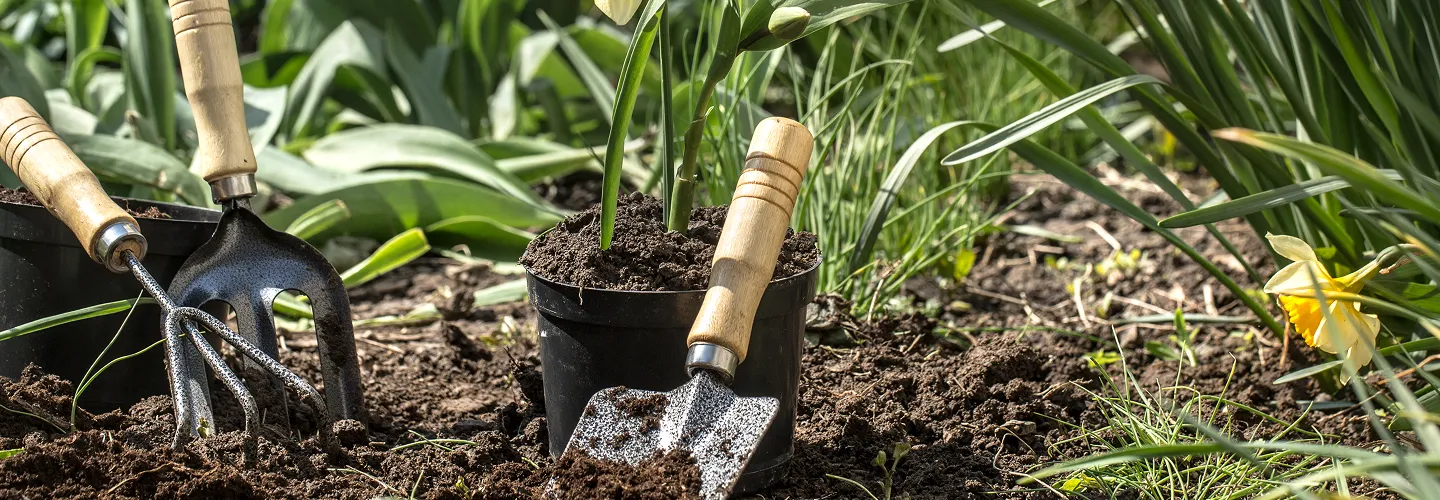
Desert View Village Lawn Renovation Services
Choose our Lawn Renovation services for expert care, premium materials, and a commitment to transforming your outdoor space into a lush, healthy, and beautiful landscape you’ll love year-round.
Get a Free QuoteOur Desert View Village Landscaping & Yard Care Services
When to Schedule Lawn Renovation in Desert View Village, Arizona – Seasonal Guide
In Desert View Village, Arizona, timing your lawn renovation is crucial for achieving a lush, resilient yard that thrives in our unique desert climate. The best periods for lawn renovation are typically early spring and early fall, when temperatures are moderate and the risk of extreme heat or frost is minimal. These windows allow new grass seed or sod to establish strong roots before the intense summer sun or cooler winter nights set in. Neighborhoods near Desert Foothills Parkway and the scenic Paseo Highlands Park often experience microclimates, so it's important to consider your specific location when planning renovations.
Local environmental factors such as low annual precipitation, high summer temperatures, and variable soil types—ranging from sandy loam to compacted clay—play a significant role in determining the optimal renovation schedule. Shade coverage from mature mesquite and palo verde trees, as well as municipal watering restrictions, can also impact your approach. For more information on local guidelines and resources, visit the official community website.
Local Factors to Consider for Lawn Renovation in Desert View Village
- Tree density and shade coverage, especially in neighborhoods like Amber Hills
- Soil composition and drainage, which can vary near Deem Hills Recreation Area
- Seasonal precipitation patterns and drought risk
- Frost dates, typically late November to early February
- Municipal watering schedules and restrictions
- Terrain slope and sun exposure
- Proximity to natural washes or protected areas
Benefits of Lawn Renovation in Desert View Village
Expert Landscaping Services
Customized Lawn Solutions
Water-Efficient Designs
Enhanced Curb Appeal
Sustainable Plant Selection
Professional Maintenance Support
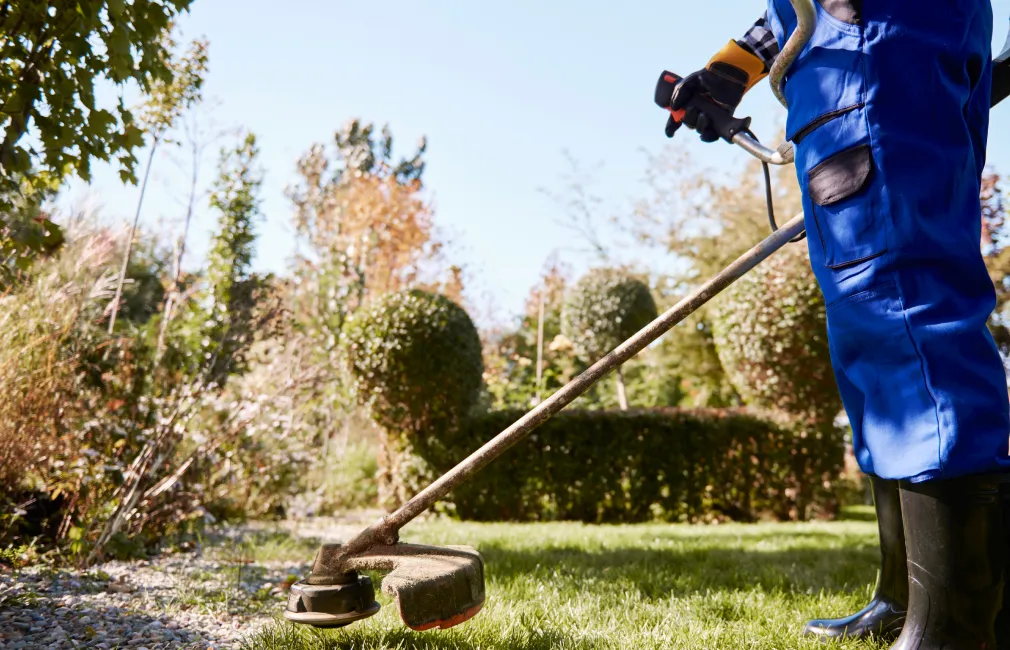
Desert View Village Lawn Renovation Types

Sod Installation
-
Hydroseeding
-
Artificial Turf Replacement
-
Drought-Tolerant Lawn Conversion
-
Soil Amendment and Grading
-
Overseeding
-
Weed and Pest Removal
Our Lawn Renovation Process
Site Evaluation
Soil Preparation
Seeding or Sodding
Watering and Fertilization
Ongoing Maintenance
Why Choose Desert View Village Landscape Services
Desert View Village Homeowners Trust Us
-
Reliable Lawn Maintenance
-
Expert Irrigation Solutions
-
Comprehensive Weed Control
-
Competitive Pricing
-
Professional Team
-
Satisfaction Guarantee
-
Personalized Service
Coordinating Lawn Renovation Projects with Desert View Village Municipal Departments
Lawn renovation in Desert View Village—a census-designated place within the Phoenix metropolitan area—requires coordination with Maricopa County and City of Phoenix municipal services, as the community falls under Phoenix's jurisdictional umbrella for development review, stormwater management, and public works operations. Before initiating any renovation that involves regrading, irrigation system modifications, or significant soil import, residents and property managers should confirm whether the scope of work triggers site-plan review through the city's development services process.
- Verify whether grade changes or drainage alterations require review through the Phoenix Planning & Development Department
- Coordinate green waste and debris removal from renovation sites in accordance with Phoenix Public Works bulk collection procedures
- Confirm current water-use guidelines with Phoenix Water Services, particularly during drought-stage restrictions
Phoenix Planning & Development Department
200 W. Washington St., Phoenix, AZ 85003
Official Website: Phoenix Planning & Development Department
Phoenix Water Services Department
200 W. Washington St., Phoenix, AZ 85003
Official Website: Phoenix Water Services Department
How Desert View Village's Low-Desert Soil and Heat Conditions Affect Lawn Renovation
Desert View Village sits in USDA Hardiness Zone 10a within the low Sonoran Desert, where summer temperatures routinely exceed 110°F and annual rainfall averages under eight inches. These conditions create a demanding environment for turf recovery and soil correction. The USDA Web Soil Survey indicates that soils in the broader northwest Phoenix area commonly feature alkaline sandy loam profiles with pH levels frequently above 8.0, along with subsurface caliche layers that impede root penetration and water infiltration.
- Soil alkalinity limits nutrient availability for turf, particularly iron and phosphorus, requiring amendment strategies during renovation
- Caliche hardpan at shallow depths restricts drainage and root development, often necessitating mechanical breaking or removal before replanting
- Salt accumulation from municipal or well-sourced irrigation water degrades turf density over time, making periodic leaching and soil flushing a critical component of renovation
- Reflected heat from block walls, concrete driveways, and decomposed granite borders intensifies turf stress along property edges
The University of Arizona Cooperative Extension provides region-specific guidance on bermudagrass recovery and soil correction techniques suited to these conditions.
Navigating Stormwater Compliance and Pesticide Regulations for Desert View Village Lawn Renovation
Lawn renovation projects that involve soil disturbance, chemical application, or irrigation system changes must comply with applicable environmental regulations. The City of Phoenix operates under a Phase II Municipal Separate Storm Sewer System (MS4) permit administered by Arizona DEQ, which requires that sediment, fertilizer runoff, and chemical discharge be prevented from entering storm drains, washes, and retention basins.
- Any contractor applying herbicides or pesticides during renovation must hold valid certification through the Arizona Department of Agriculture
- Soil amendments and fertilizers should not be applied immediately before anticipated monsoon rainfall to prevent nutrient-laden runoff
- Renovation debris, including removed sod, root material, and displaced soil, must be managed in compliance with Phoenix Public Works disposal guidelines rather than deposited in washes or drainage corridors
- Properties adjacent to flood-control channels or retention basins should verify grading requirements with the Phoenix City Engineer to ensure post-renovation drainage patterns do not redirect stormwater onto neighboring parcels
Phoenix City Engineer
200 W. Washington St., Phoenix, AZ 85003
Official Website: Phoenix City Engineer
Timing and Methods for Lawn Renovation in Desert View Village's Extreme Climate
Professional lawn renovation in the low desert follows a seasonal framework dictated by bermudagrass growth cycles and monsoon weather patterns. The Turfgrass Maintenance Guide for Low Elevation Arizona from the University of Arizona provides detailed timing recommendations that apply directly to Desert View Village properties.
- Late spring (April–May) is the primary window for bermudagrass renovation, as soil temperatures consistently exceed 65°F and active growth supports rapid recovery
- Soil correction should precede any replanting; this includes core aeration to address compaction, gypsum application to mitigate sodium buildup, and sulfur amendments to lower pH where soil tests indicate values above 8.5
- Irrigation audits are essential before renovation begins—uneven coverage from aging spray heads or misaligned rotors is a leading cause of turf decline in established Desert View Village properties
- Grade repair addresses low spots where water pools and high spots where scalping occurs, restoring uniform surface drainage across the lawn
- Overseeding with perennial ryegrass in October provides winter color, but the primary renovation effort should target the warm-season bermudagrass base during its active growth period
The Arizona Department of Water Resources encourages efficient irrigation design as part of any landscape renovation to support long-term water conservation goals.
What Neighborhoods Do We Serve Throughout Desert View Village, AZ?
- Desert View Village Core — Established residential lots in this area often feature aging bermudagrass lawns with compacted soil and outdated irrigation systems that benefit from comprehensive renovation
- Happy Valley Corridor — Properties along this corridor frequently have larger lot sizes with mixed turf and xeriscape zones, requiring careful grade transitions during renovation work
- Tramonto — This master-planned community includes HOA-maintained common areas alongside private lawns, where renovation projects should account for community appearance standards and shared drainage infrastructure
- Sonoran Foothills — Homes near preserve boundaries may have slope conditions and rocky fill soils that demand additional subgrade preparation before turf reestablishment
- Carefree Highway Vicinity — Parcels in this area often sit on shallow caliche with alkaline sandy loam, making soil amendment and drainage correction essential components of any lawn renovation effort