
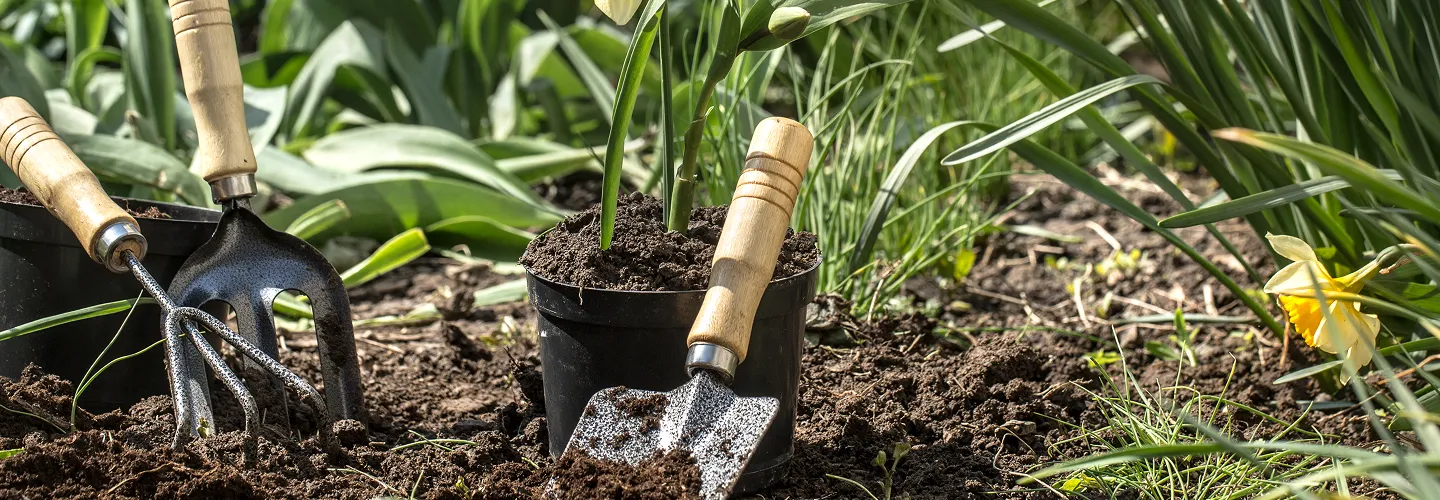
Desert View Village Dethatching Lawn Services
Choose our dethatching lawn services for a healthier, greener yard—our experienced team removes built-up thatch to promote stronger roots, improved water absorption, and a lush, vibrant lawn you'll love.
Get a Free QuoteOur Desert View Village Landscaping & Yard Care Services
When to Schedule Dethatching Lawn in Desert View Village, Arizona – Seasonal Guide
In Desert View Village, Arizona, timing your lawn dethatching is crucial for maintaining a healthy, resilient yard. The best periods for dethatching typically fall between late winter and early spring, just after the last frost but before the intense summer heat arrives. This window allows your lawn—especially in neighborhoods near Desert Foothills Parkway or close to the scenic Desert View Park—to recover quickly and take advantage of the mild temperatures and increased soil moisture.
Local environmental factors play a significant role in determining the optimal dethatching schedule. The area’s arid climate, risk of drought, and sandy or clay-heavy soils mean lawns can accumulate thatch more rapidly, especially in shaded lots or properties with mature mesquite and palo verde trees. Homeowners should also consider municipal watering restrictions and the unique microclimates found near landmarks like the Desert View Village Community Center. For more information on local regulations and best practices, visit the official municipal resource.
Local Factors to Consider for Dethatching Lawn in Desert View Village
- Tree density and shade coverage from native species
- Soil composition (sandy vs. clay-heavy areas)
- Recent precipitation and drought risk
- Proximity to landmarks or parks with unique microclimates
- Municipal watering restrictions and seasonal guidelines
- Terrain slope and drainage patterns
Benefits of Dethatching Lawn in Desert View Village
Improved Lawn Health
Enhanced Water Absorption
Boosted Grass Growth
Reduced Pest Problems
Professional Landscaping Expertise
Reliable Local Service
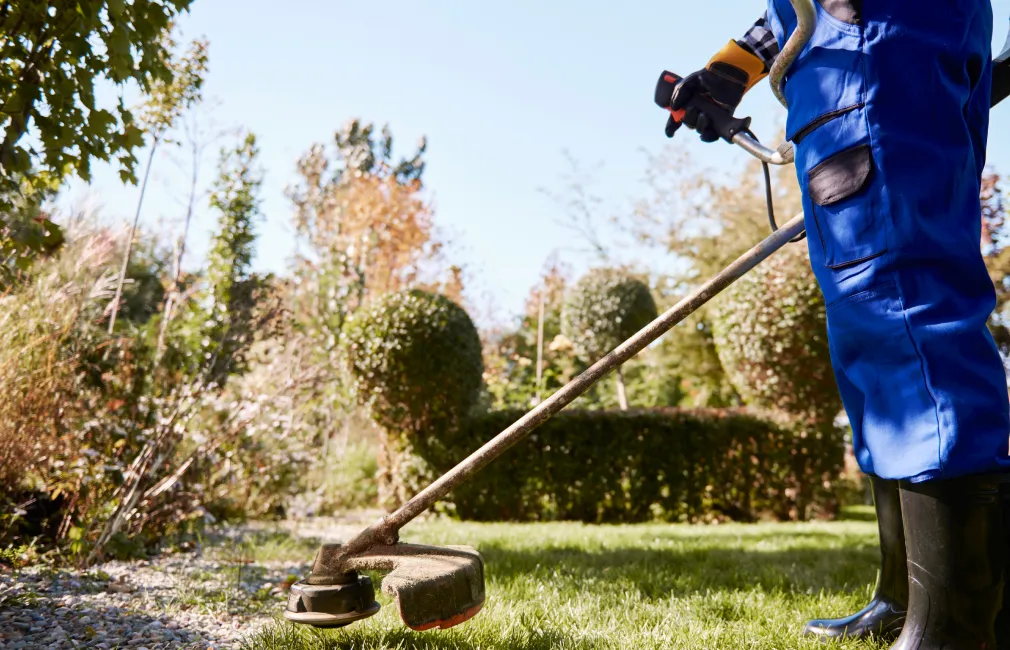
Desert View Village Dethatching Lawn Types

Bermuda Grass Dethatching
-
Zoysia Grass Dethatching
-
St. Augustine Grass Dethatching
-
Fescue Grass Dethatching
-
Ryegrass Dethatching
-
Bluegrass Dethatching
-
Buffalo Grass Dethatching
Our Dethatching Lawn Process
Lawn Evaluation
Thatch Depth Measurement
Dethatching Equipment Setup
Thatch Removal
Cleanup and Disposal
Why Choose Desert View Village Landscape Services
Desert View Village Homeowners Trust Us
-
Reliable Lawn Maintenance
-
Expert Irrigation Solutions
-
Comprehensive Weed Control
-
Competitive Pricing
-
Professional Team
-
Satisfaction Guarantee
-
Personalized Service
Coordinating Dethatching Lawn Services with Desert View Village's Municipal Programs
Desert View Village is a census-designated place within the Phoenix metropolitan area, and residents coordinate lawn maintenance services—including dethatching—through Maricopa County and City of Phoenix municipal departments. When dethatching generates significant volumes of organic debris, proper disposal through the city's green waste collection program is essential. The Phoenix Public Works Department oversees bulk pickup and green waste handling, and residents should verify current collection schedules and container requirements before placing thatch material curbside. Key coordination steps include:
- Confirming accepted green waste materials and bundling or containerization rules with Public Works before scheduling dethatching work
- Ensuring thatch debris does not accumulate in street gutters, curb inlets, or drainage channels where it could obstruct stormwater flow
- Coordinating irrigation adjustments with the Phoenix Water Services Department water conservation guidelines to support turf recovery after dethatching
Phoenix Public Works Department
Official Website: Phoenix Public Works Department
Phoenix Water Services Department
Official Website: Phoenix Water Services Department
How Desert View Village's Low-Desert Heat and Alkaline Soils Affect Dethatching Lawn
Desert View Village sits in the low Sonoran Desert within USDA Hardiness Zone 9b–10a, where summer temperatures routinely exceed 110°F and annual rainfall averages under eight inches. These conditions directly shape how bermudagrass thatch accumulates and how dethatching must be approached. Bermudagrass—the dominant warm-season turf throughout the area—produces aggressive stolons and rhizomes that generate dense thatch layers, particularly when irrigated on alkaline, calcium-rich soils common across the Phoenix basin. According to the USDA Web Soil Survey, soils in this region frequently include calcareous sandy loams and caliche-influenced profiles that limit natural decomposition of organic matter. Residents should account for the following local conditions:
- Alkaline soil pH (often 7.5–8.5) slows microbial breakdown of thatch, causing faster accumulation than in neutral-pH environments
- Reflected heat from block walls, concrete driveways, and decomposed granite hardscape intensifies turf stress and can worsen thatch compaction along property edges
- Monsoon-season runoff between July and September can carry loose thatch into washes, retention basins, and storm drain inlets if dethatching is poorly timed
The University of Arizona Cooperative Extension provides region-specific guidance on bermudagrass thatch management suited to low-elevation Arizona conditions.
Stormwater Compliance and Regulatory Standards for Dethatching in Desert View Village
Dethatching lawn surfaces does not typically require a municipal permit in the Desert View Village area; however, the process generates loose organic material that falls under stormwater quality regulations. The Arizona DEQ stormwater program and the federal Clean Water Act establish requirements to prevent pollutants—including landscape debris and sediment—from entering municipal storm sewer systems. Maricopa County and the City of Phoenix participate in Phase II MS4 stormwater programs, which apply to properties in and around Desert View Village. Compliance considerations include:
- All thatch material must be collected and contained on-site during and after dethatching; it must not be swept, blown, or washed into streets, curb inlets, or drainage channels
- Irrigation runoff following dethatching should be managed to prevent sediment-laden water from leaving the property and reaching storm drains or nearby washes
- If any chemical treatments are applied to support turf recovery after dethatching, applicators must hold valid credentials through the Arizona Department of Agriculture for commercial pesticide or fertilizer application
Phoenix Office of Environmental Programs
Official Website: Phoenix Office of Environmental Programs
Timing Dethatching Lawn Around Desert View Village's Extreme Heat and Monsoon Season
Professional dethatching in the low desert must be timed to coincide with bermudagrass's active growth period so the turf can recover quickly. The Turfgrass Maintenance Guide for Low Elevation Arizona identifies late spring through early summer as the optimal dethatching window, when soil temperatures are consistently above 80°F and bermudagrass is growing vigorously. Critical timing and method standards include:
- Schedule dethatching between late April and early June, before monsoon moisture arrives and before peak summer heat exceeds safe working and turf-recovery thresholds
- Use vertical mowing (verticutting) equipment set to penetrate approximately one-quarter to one-half inch into the soil surface to remove thatch without excessive crown damage
- Irrigate deeply 24–48 hours before dethatching to soften the thatch layer and reduce mechanical stress on turf crowns
- Follow dethatching immediately with thorough debris removal, a light topdressing of washed sand if needed for leveling, and resumed irrigation to promote rapid stolon regrowth
- Avoid dethatching during winter overseed periods (typically October through March) when perennial ryegrass is actively growing, as this disrupts the overseeded stand without benefiting the dormant bermudagrass beneath
Water penetration should be tested after dethatching by running irrigation and observing infiltration rates; improved absorption confirms successful thatch reduction.
What Neighborhoods Do We Serve Throughout Desert View Village, AZ?
- Desert View Village Core — Established residential lots with mature bermudagrass lawns and older irrigation systems that may require thatch evaluation due to years of accumulated organic buildup.
- Thunderbird Estates Area — Larger lot sizes with extensive turf coverage where thatch layers tend to develop more rapidly due to higher irrigation volumes and full-sun exposure.
- Deer Valley Corridor — Properties near major arterials with reflected heat from adjacent commercial hardscape, increasing turf stress and accelerating thatch compaction along property frontages.
- Happy Valley Road Vicinity — Newer subdivision developments where compacted fill soils and alkaline conditions may limit natural thatch decomposition and require more frequent dethatching cycles.
- Sonoran Foothills Adjacent Areas — Lots bordering natural desert washes and retention basins where thatch debris management is critical to prevent organic material from entering drainage corridors during monsoon events.